
Portland guide · 10 min read
What to Expect After a Roof Moss Treatment in Portland: A Week-by-Week Timeline
After a roof moss treatment in Portland, Oregon, moss turns brown within 3 to 14 days, becomes brittle by week 2, and sheds during normal rainfall over weeks 2 to 8. Most homeowners panic at the brown color and assume the treatment failed — it did not. Stubborn patches resolve over months 2 to 6, and re-treatment is typical at year 2 to 4 for tree-covered homes. Do not power-wash a freshly treated roof.
By Monte Wallenstein Published
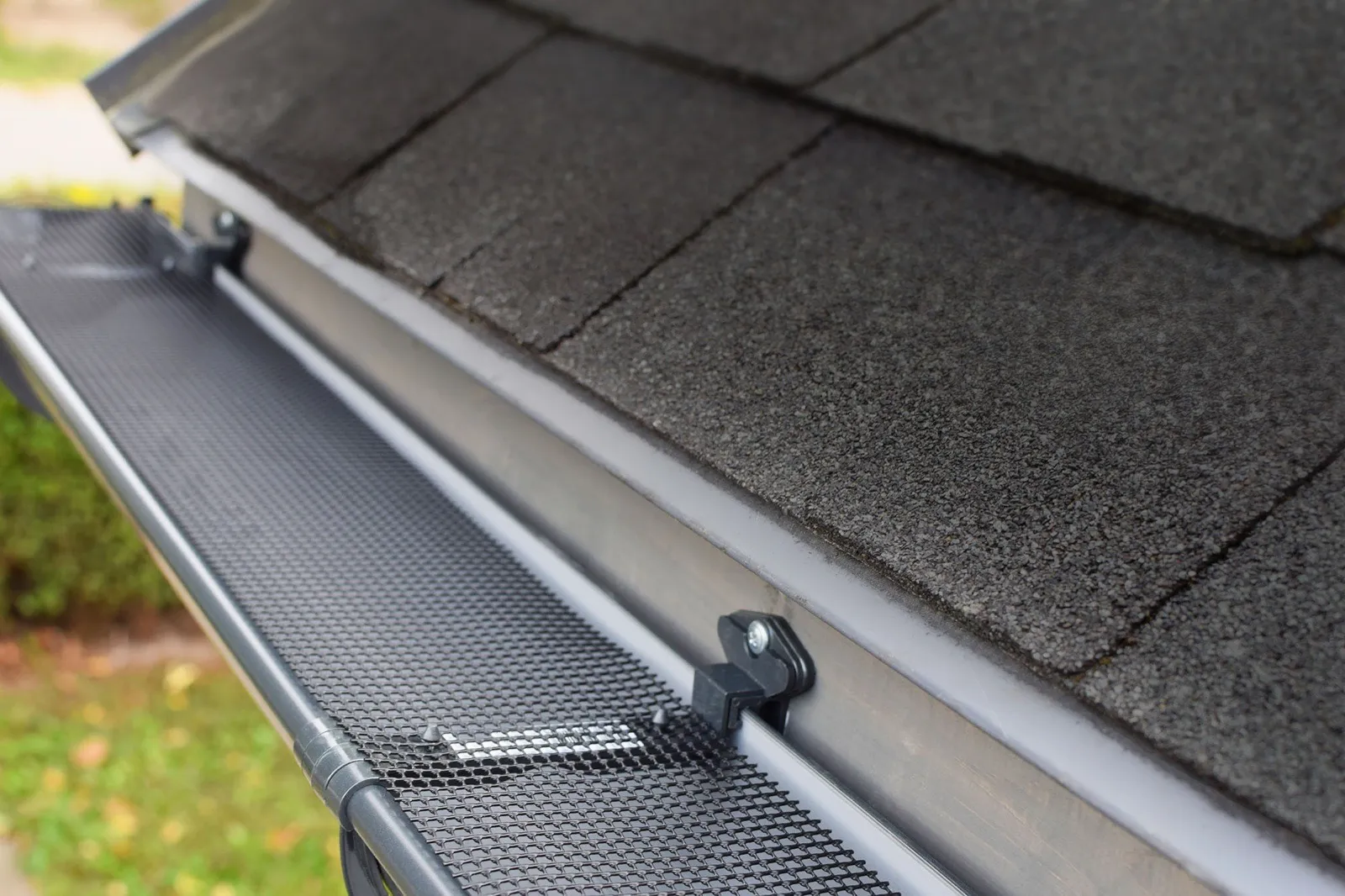
After a professional roof moss treatment in Portland, Oregon, moss typically turns brown within 3 to 14 days, becomes brittle by week 2, and sheds during normal rainfall over weeks 2 to 8. Most stubborn patches resolve on their own through months 2 to 6, and a follow-up gutter cleaning around week 4 to 8 is the step people overlook most in a complete moss-removal program.
This guide is the week-by-week timeline we wish every Portland homeowner got at the end of a moss treatment visit. The number-one call we get in the two weeks after a treatment is some version of “the moss is brown — did it fail?” It did not. That is the kill working. Here is what to expect, what to avoid, and when to actually call the contractor back.
The treatment-stage timeline at a glance
| Stage | Timeframe | What you see | What is happening |
|---|---|---|---|
| Day 0 (treatment day) | 0–24 hrs | Roof looks wet; moss still green | Chemistry has been applied and is starting to penetrate |
| Kill phase | Days 3–14 | Moss turns yellow then brown | Active kill — moss colony is dying |
| Brittle phase | Weeks 2–4 | Moss looks dry, crispy, brown-black | Dead biomass dehydrating on the surface |
| Shedding phase | Weeks 2–8 | Brown moss visibly sloughing in gutters | Rain and wind dislodge dead material |
| Touch-up phase | Months 2–6 | A few stubborn patches remain | Hand-brushing or spot re-treatment if needed |
| Stabilized | Months 6–24 | Clean shingles; light color variation | Normal post-treatment roof appearance |
| Re-treatment | Years 2–4 | Early green regrowth on shaded slopes | Schedule next full application |
Day 0 to Day 1: what you should see right after treatment
The day a Portland roof moss treatment is applied, the visible change is small. The roof looks wet for a few hours. The moss itself still looks green. Garden beds will be tarped during application and uncovered before the crew leaves. You should not smell strong chemical odor — a reputable soft-wash moss treatment uses biodegradable, low-concentration chemistry.
Things that should already be true at handoff:
- A walk-around debrief. The crew should have shown you photos of before/after coverage and pointed out any zinc strip recommendations, flashing concerns, or shingle damage they spotted from the ladder.
- A written timeline. Some version of this guide, in plain English. If the contractor leaves without explaining what the next 8 weeks will look like, that is a red flag.
- Tarping removed, gutters checked. Any runoff that hit the gutters during rinse should have been flushed before the crew left.
- No standing chemistry on landscape. Salmon-stream-safe products are the standard in the Portland metro; even so, you should not see puddled treatment on hardscape.
What you should NOT do on Day 1: spray the roof with a hose, climb up to inspect, or schedule a pressure-wash visit thinking it will speed things up.
Days 3 to 14: the kill phase (this is when most homeowners panic)
This is the call we get most often. Around day 5 to day 10 after a treatment, the moss turns from green to yellow to brown to brown-black. To a homeowner walking out to the mailbox, it looks worse than before the treatment.
The brown color is the kill working. Living moss is green because it is photosynthesizing. Dead moss is brown because it is not. The visible color change is direct evidence that the soft-wash chemistry penetrated the colony and killed it.
What is happening underneath:
- Cellular collapse. The treatment disrupts the moss colony at the cellular level. Photosynthesis stops within 24 to 72 hours.
- Dehydration. With photosynthesis halted, the colony dries out from the inside.
- Root die-off. Moss does not have true roots, but the rhizoid filaments that anchor it to the shingle dry up and lose grip.
- Brittleness. The dead biomass becomes dry and crispy.
Cold or dry weather can slow the visible color change by a few days. A treatment applied during a stretch of cold January days may not show full browning until day 14 or 16. Treatments applied in warmer spring weather often show full color change by day 7 to 10.
What you should NOT do during the kill phase:
- Do not climb up to scrape or brush. The colony is not fully detached yet, and you risk pulling up shingle granules along with the moss.
- Do not power-wash. High-pressure water strips granules from shingles, voids warranties, and undermines the treatment’s natural shedding cycle.
- Do not water-blast the gutters. Treatment runoff is in the trough and any aggressive rinse can push it into garden beds. A normal gutter flush is fine in 4 to 8 weeks.
- Do not call the contractor in a panic on day 7. Wait at least 14 days before assuming a problem.
Weeks 2 to 8: natural shedding during rainfall
Once the moss is dead and brittle, normal Portland rainfall does the rest. Every wet weather cycle dislodges some of the brown biomass and washes it down the slope toward the gutters. By the end of week 4, most of the heavy mat has shed. By the end of week 8, the roof is visually 80 to 95 percent clean for most exposures.
This is also the messy phase from the gutter perspective. Dead moss does not vanish — it lands somewhere. On a typical Portland roof under Douglas fir cover, that “somewhere” is:
- The gutters and downspouts (most of it)
- Landscape beds along the drip edge
- Walkways and driveways immediately below eaves
- Roof valleys, where it can pile up and form temporary dams
A quick walk around the perimeter once a week during this phase tells you a lot. If you see brown clumps in the gutter trough or on the driveway after a rainstorm, the treatment is shedding as designed. If you see only green or no debris at all eight weeks in, call the contractor — something is unusual.
Why the gutter follow-up matters
This is the step we see skipped most often after a Portland moss treatment. The dead moss that sheds from the roof ends up in the gutter system. On a moderately mossy roof, that can be 5 to 15 gallons of biomass over the 8-week shedding window. Left in place, it:
- Clogs downspouts before the November atmospheric river season
- Holds moisture against the fascia
- Can settle into underground drain lines and require excavation later
A follow-up gutter cleaning roughly 4 to 8 weeks after the moss treatment is part of a complete moss-removal program. We typically coordinate this as a return visit rather than charging two unrelated service calls. Confirm with your contractor at booking that the post-treatment gutter follow-up is part of the scope or available as a coordinated return.
Months 2 to 6: handling stubborn patches
Most roofs are visually clean by week 8. A few are not. Stubborn patches usually appear in three specific spots:
- Deep mats over older shingles. Where moss has been growing for 5+ years, the colony is sometimes thick enough that the first chemistry pass does not fully penetrate the base layer. A second light treatment, or gentle hand-brushing on the stubborn area, finishes the job.
- Roof valleys. Water concentrates in valleys, which means treatment runoff dilutes faster there. Some valleys may need a localized re-application.
- Under shingle edges. Moss roots that lifted shingle edges can shelter the colony from the chemistry. These spots are usually addressed by hand-brushing rather than chemical re-treatment.
The right response is almost never “wait it out indefinitely.” A contractor return visit at month 3 or 4 to address any remaining patches is reasonable — the underlying chemistry is still doing some work, but stubborn spots benefit from a touch-up.
This is also when zinc or copper ridge strips earn their keep. If strips were installed during the original treatment, the upper third of each slope sees ongoing ion protection from every rainfall. The bottom third is where you may see early regrowth pressure, and that is where touch-ups concentrate. For the full strip discussion, see our Portland roof moss removal guide.
Months 6 to 24: the stabilized phase and what your roof should look like
By month 6, the roof has shed virtually all dead biomass and looks clean from the curb. A few realities to expect:
- Color variation is normal. Areas where moss has been growing for years often have slightly lighter or darker shingles because the granule layer underneath weathered differently. This usually fades over the next 6 to 12 months. Severe permanent staining usually means the shingles themselves are at end of life, not a treatment issue.
- Slight texture difference. Where heavy moss has been removed, the shingle surface may feel rougher to the touch. The granule layer has been exposed where the moss was lifting it.
- Light green tint in shaded valleys in spring. This is algae, not moss, and is a normal PNW phenomenon. It does not damage the roof and typically does not warrant a full re-treatment unless it spreads.
Annual visual inspection during a routine gutter cleaning visit catches early regrowth before it requires a full re-application. A photo from a phone at the ladder gives you a year-over-year record.
Year 2 to Year 4: when re-treatment is typical
Realistic re-treatment intervals for the Portland metro:
| Roof exposure | Typical re-treatment interval |
|---|---|
| South-facing, sun-exposed, light tree cover | 3 to 4 years |
| Mixed exposure, average tree cover | 2 to 3 years |
| North-facing, heavy conifer cover (Lake Oswego, West Hills, West Linn) | 1.5 to 2.5 years |
| Cedar shake under heavy canopy | 1.5 to 2 years between touch-ups |
Re-treatment does not mean the original failed. It means the underlying conditions — shade, humidity, spore load, debris — are still there. Portland’s eight-month wet season and the February-through-April moss spore peak are not going to change. The treatment cycle is a maintenance rhythm, not a one-time fix.
Homes that combine moss treatment with annual gutter cleaning and zinc strips at the ridge consistently stretch toward the longer end of the interval ranges.
What NOT to do after a roof moss treatment
A consolidated list of the things that homeowners try that make outcomes worse:
- Do not power-wash the roof. High pressure strips granules, voids warranties, and damages shingles. The dead moss will shed naturally — that is the design.
- Do not climb up to scrape. Slip risk on wet shingles is real, and metal scrapers shred shingles. If a stubborn patch bothers you, call the contractor back.
- Do not water-blast the gutters with treatment runoff still in them. Wait until the natural shedding has happened, then schedule a proper gutter cleaning.
- Do not assume brown means failure. Brown is the kill. Wait the full 14 days before forming an opinion.
- Do not skip the follow-up gutter cleaning. This is where most moss-treatment programs leave value on the table — the dead biomass is now in the gutter system, and it needs to come out before the November rains.
- Do not apply DIY moss killer over a fresh professional treatment. Layering chemistries can damage shingles and is rarely necessary.
When to actually call the contractor back
Call the contractor back if any of the following:
- Active green growth more than 8 weeks after treatment. This is regrowth, not surviving original moss, and may indicate insufficient coverage or zinc strip placement issues.
- Shingles visibly lifted or curling after treatment. This usually means the moss had already lifted them and the underlying damage is now visible. Triggers a roof condition conversation, not a re-treatment conversation.
- Gutters overflowing during the shedding phase. A blockage from shed debris is normal and needs the follow-up gutter visit — do not let it sit through a rainstorm.
- Strong chemical odor persisting more than 24 hours. Reputable products dissipate within a day. Persistent odor warrants a callback.
- Visible runoff staining on siding, hardscape, or fence. Usually rinses with a garden hose, but the contractor should know.
Do NOT call back during the normal brown-out phase in weeks 1 to 6. That is the treatment working. A reputable Portland moss removal contractor explains the timeline at handoff specifically so the brown phase does not generate panicked calls.
How this fits the PNW seasonal cycle
Most Portland moss treatments are applied in March, April, or May to catch the active growth window when moss absorbs treatment most readily. That puts the shedding phase in late spring, the follow-up gutter cleaning in early summer, and the stabilized roof in time for the summer dry stretch. For the full seasonal context, see our Pacific Northwest seasonal home maintenance calendar.
Fall treatments (September) work too, particularly as a touch-up before the rainy season, but the shedding phase then overlaps with peak fir-needle drop. Plan the follow-up gutter visit accordingly.
Quick Recap
- Moss turns brown in 3 to 14 days after treatment — that is the kill working, not a failure.
- Dead moss sheds naturally over weeks 2 to 8 during normal Portland rainfall.
- Schedule a follow-up gutter cleaning at week 4 to 8 to clear shed biomass before the rainy season.
- Do not power-wash, climb up to scrape, or assume brown means failure. Wait at least 14 days.
- Re-treatment is typical at year 2 to 4, with heavy-tree-cover homes at the shorter end of the range.
- Call the contractor back for active green growth past week 8, persistent chemical odor, or gutter overflow during the shedding phase — but not during the normal brown-out window.
Frequently asked questions
- How long does it take for moss to die after a roof treatment in Portland?
- Moss on a treated Portland roof typically starts changing color within 3 to 7 days and is fully browned out by day 10 to 14. The kill itself is usually complete by week 2, even though the dead biomass remains visible on the roof. Cold or dry weather can slow the visible change by a few days, but the chemistry continues working inside the moss colony regardless of what you can see from the ground.
- Why is my roof moss turning brown instead of falling off after treatment?
- Brown moss after a Portland roof treatment means the treatment is working — that is the kill phase. Dead moss does not vanish instantly. It dries out, becomes brittle, and then sheds gradually during normal rainfall over the following 2 to 8 weeks. Most homeowners who call us worried about brown patches are looking at a successful treatment in its normal mid-cycle appearance, not a failure.
- Should I power-wash my roof after a moss treatment to remove the dead moss?
- No — do not power-wash a freshly treated roof in Portland. High-pressure water strips shingle granules, voids most roofing warranties, and can drive treatment runoff into landscape beds and storm drains. The correct method is to let normal rainfall and wind shed the dead moss naturally over 2 to 8 weeks, with optional gentle hand-brushing on stubborn patches at the month 2 to 6 mark.
- When do I need to clean my gutters after a roof moss treatment?
- Schedule a gutter cleaning roughly 4 to 8 weeks after a roof moss treatment in Portland. Most of the dead moss sheds during that window and lands in the gutters and downspouts. Cleaning earlier than 4 weeks misses the bulk of the shed material; cleaning later than 8 weeks risks downspout clogs heading into the November atmospheric river season. The follow-up gutter visit is part of a complete moss-removal program.
- Will my roof look stained after a moss treatment?
- Some color variation is normal after a Portland moss treatment. Areas where moss has been growing for years often look lighter or darker than surrounding shingles because the granule layer underneath has weathered differently. Most apparent staining fades over the first 6 to 12 months as the shingle surface re-equilibrates with sun, rain, and weather. Severe permanent discoloration usually means the shingles themselves are at end of life, not a treatment issue.
- How often does a Portland roof need re-treatment for moss?
- Most Portland roofs need re-treatment every 2 to 4 years, with the shorter interval applying to homes under heavy Douglas fir or western red cedar canopy. North-facing slopes in shaded neighborhoods like Lake Oswego, the West Hills, and Eastmoreland often need touch-up at year 2; sun-exposed south-facing roofs can stretch to year 4. An annual visual inspection during your regular gutter cleaning catches early regrowth before it requires a full re-application.
- When should I call my moss removal contractor back versus just waiting?
- Call your Portland moss removal contractor back if you see active green growth (not browned biomass) more than 8 weeks after treatment, if shingles are visibly lifted or damaged, or if gutters are overflowing from shed debris. Do not call back during the normal brown-out phase in weeks 1 to 6 — that is the treatment working as designed. A reputable contractor will explain the timeline at handoff so you know what is expected.
Related guides
-
11 min read
Portland Roof Moss Removal Guide
Honest Portland roof moss guide: why PNW roofs grow it, why soft-wash beats pressure, zinc strips, salmon-safe...
-
9 min read
Soft-Wash Cleaning for Cedar Shake in Portland
Portland 2026 guide to soft-wash cleaning cedar shake roofs and siding: why PSI matters, chemistry ratios, han...
-
11 min read
Pacific Northwest Seasonal Home Maintenance Calendar
A month-by-month Portland exterior home maintenance calendar covering gutters, moss, windows, pressure washing...
Ready to book?
Want gutters, moss, and windows on one annual schedule? Home Exterior Care Plan
Property manager, HOA, or commercial site? Property managers & HOAs Commercial cleaning
Need help with your Portland roof?
Same-day quotes by phone. No high-pressure sales. Bonded & insured · Family-owned since 2009
Happy with our work? Leave a Google review · Find us on Google Maps